

Project Harmony Omaha: Protection, Healing, and Hope for Children
Project Harmony Omaha helps children and families affected by abuse and neglect. Since 1996, the Omaha child advocacy center has brought professionals and community partners together to create a coordinated, child-focused response.
Most importantly, Project Harmony helps children find safety, healing, and the courage to use their voices. The organization focuses on three connected areas: response, treatment, and prevention. Therefore, families can receive support at several stages of their journey.
In addition, Project Harmony Omaha provides valuable information for educators, social workers, healthcare professionals, caregivers, and community members. These resources help adults recognize warning signs, report suspected abuse, and support children with compassion.
Project Harmony Omaha Child Advocacy Services
Project Harmony Omaha creates a central place where professionals can work together on child abuse and neglect cases. For example, law enforcement officers, child protective services, medical providers, mental health professionals, and family advocates may coordinate their work through Project Harmony.
As a result, children may not need to repeat a painful experience to several different professionals. Instead, the participating agencies can communicate and plan a coordinated response.
Project Harmony organizes its work around three primary areas:
- Responding to suspected child abuse and neglect
- Supporting the treatment and healing of children and families
- Providing prevention, early intervention, and professional training
Above all, Project Harmony strives to create a compassionate environment where children feel safe enough to speak. At the same time, the organization helps families understand available resources and next steps.
Child and Family Services at Project Harmony Omaha
Project Harmony Omaha offers specialized services for children and families involved in child abuse or neglect investigations. Depending on the circumstances, services may include forensic interviews, family advocacy, medical coordination, mental health support, and referrals to community resources.
A trained professional conducts a forensic interview through a structured, child-sensitive conversation. During the interview, the child can share information in a safe and developmentally appropriate setting.
Generally, law enforcement or the Nebraska Department of Health and Human Services requests a forensic interview. Therefore, families should contact Project Harmony or the appropriate child abuse reporting hotline to learn what steps they should take.
Additionally, Project Harmony coordinates with investigative professionals so that a child does not have to repeat the same information unnecessarily. This approach may reduce additional trauma while helping the appropriate agencies gather the information they need.
However, Project Harmony does not replace emergency services. If a child faces immediate danger or requires urgent medical assistance, call 911.
Mental Health Services for Children and Families
Abuse and neglect can affect a child’s emotional health, behavior, relationships, and school performance. For instance, a child may experience anxiety, depression, withdrawal, anger, difficulty concentrating, or sudden behavioral changes.
Fortunately, support from a qualified mental health professional can help children and caregivers understand the effects of trauma. In addition, counseling can give children tools to manage emotions, rebuild trust, and develop healthy coping skills.
Project Harmony connects children and families with mental health services that address trauma-related needs. These services focus on safety, stability, emotional well-being, and stronger family relationships.
Moreover, the organization’s Connections program brings students, parents, schools, and mental health providers together. Through participating Omaha-area school districts, students may receive individual or group therapy.
Because many Connections services take place in school settings, families may face fewer barriers to care. For example, school-based services can reduce transportation challenges and make support more accessible.
Families who need children’s mental health services in Omaha can contact Project Harmony to ask about eligibility, availability, and referral requirements.
A Coordinated Response to Child Abuse
Child abuse investigations can involve several agencies and professionals. Without strong communication, families may struggle to understand the process or determine where to seek help.
Therefore, Project Harmony supports multidisciplinary teams that improve coordination among the professionals handling child abuse and neglect cases. These teams may include child welfare professionals, law enforcement officers, medical providers, attorneys, therapists, advocates, and other community partners.
Together, team members may coordinate investigations, treatment recommendations, safety plans, and continuing services. As a result, professionals can identify unmet needs and make decisions that focus on the child’s safety and well-being.
Project Harmony facilitates multidisciplinary teams serving Douglas and Sarpy Counties in Nebraska. In addition, the organization supports teams serving several counties in southwest Iowa.
Ultimately, this collaborative approach helps agencies share information and reduce gaps in service. It also gives families a clearer path from crisis toward healing.
Child Abuse Prevention and Professional Training
Project Harmony Omaha does more than respond after someone reports abuse. Equally important, the organization invests in prevention, education, and early intervention.
The Project Harmony Training Institute provides educational opportunities for professionals and community members. These programs increase awareness, strengthen practical skills, and help adults respond appropriately when they have concerns about a child.
Project Harmony training may benefit:
- Educators and school personnel
- Social workers and case managers
- Healthcare professionals
- Law enforcement officers
- Mental health providers
- Youth-serving organizations
- Foster and adoptive families
- Parents, caregivers, and community advocates
For example, participants may learn how to recognize possible warning signs or respond when a child shares a concerning experience. Furthermore, training can help professionals understand reporting responsibilities, trauma-informed practices, and ways to support children without interfering with an investigation.
Consequently, education gives community members more confidence to act when a child may need help. It also strengthens the larger network of adults who help protect children.
Reporting Suspected Child Abuse in Nebraska
Anyone who suspects child abuse or neglect should take the concern seriously. However, you do not need to investigate the situation or prove that abuse occurred before making a report.
To report suspected child abuse or neglect in Nebraska, call:
Nebraska Child Abuse and Neglect Hotline:
1-800-652-1999
For concerns involving a child in Iowa, call:
Iowa Child Abuse Hotline:
1-800-362-2178
If a child faces immediate danger or needs urgent medical care, call 911.
When making a report, share as much accurate information as possible. For instance, you may provide the child’s name, location, the nature of your concern, when the incident occurred, and whether the child currently faces danger.
At the same time, avoid confronting a suspected offender or conducting your own investigation. Instead, allow trained authorities to determine the appropriate next steps.
How to Respond When a Child Shares an Experience
When a child talks about possible abuse, the adult’s response matters. A child may feel frightened, ashamed, confused, or worried that no one will believe them.
First, remain calm and listen carefully. Next, allow the child to speak without pressing for unnecessary details. Then, explain that you need to contact someone who can help.
When a child shares a concerning experience:
- Listen calmly and attentively.
- Tell the child that you believe them.
- Reassure the child that the situation is not their fault.
- Avoid leading or detailed investigative questions.
- Do not promise to keep the information secret.
- Explain that you will contact people who can help.
- Report the concern promptly to the proper authorities.
Most importantly, give the child reassurance and support. A compassionate response can help the child feel heard while trained professionals handle the investigation.
Supporting Project Harmony Omaha
Community support helps Project Harmony continue serving children and families. Individuals, businesses, and organizations can support its mission through donations, volunteer service, fundraising, partnerships, and prevention education.
Ways to get involved include:
- Making a financial contribution
- Exploring individual or group volunteer opportunities
- Supporting Project Harmony fundraising events
- Participating in child abuse prevention training
- Sharing accurate child abuse reporting information
- Encouraging youth organizations to strengthen safety practices
Additionally, community members can share Project Harmony Omaha resources with schools, churches, healthcare providers, and other organizations that work with children.
Visit the official Project Harmony website to explore current programs, volunteer opportunities, training courses, events, and ways to contribute.
Contact Project Harmony Omaha
Project Harmony’s main office is located at:
Project Harmony
11949 Q Street
Omaha, NE 68137
Main office: (402) 595-1326
Office hours: Monday through Friday, 8:00 a.m. to 5:00 p.m. The organization may also arrange after-hours appointments.
Website: https://projectharmony.com/
The main office can provide information about programs, training, presentations, tours, and support opportunities. However, anyone who needs to report suspected child abuse should call the appropriate state reporting hotline.
Project Harmony Omaha and Community Awareness
Protecting children requires a community that knows how to recognize concerns, report suspected abuse, and respond compassionately. For this reason, Project Harmony Omaha connects children, families, schools, professionals, and service agencies.
Through advocacy, mental health services, coordinated investigations, early intervention, and prevention education, Project Harmony works toward a safer future for children. Moreover, its collaborative model helps families navigate complex systems and locate appropriate support.
Ultimately, every adult can play a role in protecting children. By learning the warning signs, sharing reliable resources, and reporting reasonable concerns, community members can help children move from crisis toward courage and healing.
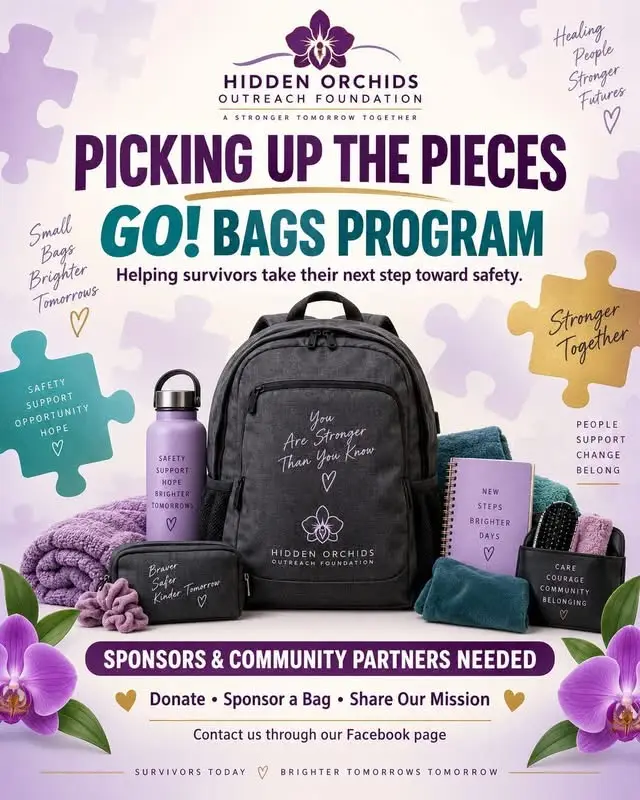
Hidden Orchids Outreach Foundation shares information about Project Harmony Omaha as part of its commitment to education, advocacy, and community awareness. However, Hidden Orchids Outreach Foundation does not provide emergency response, crisis intervention, or investigative services. Please contact Project Harmony, the appropriate state hotline, or emergency services when you need direct assistance.
If you would like more information about listing your resource CONTACT US.