


Domestic violence education in Nebraska
About Our Foundation
Domestic Violence Education in Nebraska: About Our Foundation
Domestic violence education in Nebraska is central to the mission of Hidden Orchids Outreach Foundation. We are a nonprofit focused on helping people recognize abuse, understand its effects, and respond to survivors with compassion. Through education, advocacy, and community outreach, we want to make reliable information easier to find and difficult conversations easier to begin.
Our work is guided by three words: empower, educate, and advocate. We believe knowledge can help someone identify a warning sign, ask a question, or support a person they care about. We also believe that a community’s response matters. When people listen without blame and know where to find qualified support, survivors have more room to make their own choices.
Nebraska is at the heart of our mission. Across the state, people experience different barriers to learning about abuse or speaking openly about it. Our aim is to share clear information, encourage thoughtful conversations, and help communities build a better understanding of what support can look like with Domestic violence education in Nebraska.
Our Mission: Education, Advocacy, and Outreach with Domestic violence education in Nebraska
Hidden Orchids Outreach Foundation works to strengthen awareness of abuse through education, advocacy, and community connection. We want people to understand that abuse is not always visible and that survivors’ circumstances are often more complicated than they appear from the outside.
Education helps people recognize patterns they might otherwise dismiss. Advocacy challenges harmful assumptions and calls for dignity in the way survivors are treated. Outreach brings those ideas into community conversations, where they can reach people who may never have sought out the information on their own.
Our mission is rooted in respect for individual choice. We do not decide what someone should do about their relationship or experience. Instead, we work to increase understanding so that individuals and the people around them can respond with greater care.
Why Domestic Violence Education in Nebraska Matters
Domestic violence is often described only in terms of physical harm. Physical violence is serious, but abuse can also involve intimidation, emotional manipulation, isolation, financial control, sexual coercion, threats, and digital monitoring. A person may experience several of these behaviors at once.
Some patterns develop slowly. A partner might begin by questioning friendships, then try to limit contact with family. They may insist on controlling money, demand access to messages, or make someone afraid to disagree. Looking at one incident alone can make it difficult to see the larger pattern of power and control.
Domestic violence education in Nebraska gives people language for these experiences. Someone may begin to understand why a situation feels unsafe. A friend might recognize that a loved one has become isolated. A community member may learn why asking a survivor “Why didn’t you leave?” can cause more harm than help.
Education cannot tell us every detail of another person’s life. It can, however, help us take concerns seriously and respond without rushing to judgment.
Recognizing the Different Forms of Abuse with Domestic violence education in Nebraska
No single checklist explains every abusive relationship. Still, learning about common behaviors can help people notice when something is wrong.
Abuse may involve controlling where someone goes, who they see, or how they spend money. It may include threats involving children, pets, housing, or personal information. Someone may be pressured to explain every call or message. Technology can also be used to track movements, monitor accounts, or continue harassment after a relationship ends.
Emotional abuse can be difficult to name. Repeated humiliation, threats, blame, and efforts to make someone doubt their own experiences can affect a person’s confidence over time. Financial control may limit access to transportation, housing, or other options. These forms of abuse deserve attention even when there is no visible injury.
Our educational work encourages people to look at patterns rather than make assumptions based on one moment. Recognizing a concern is a reason to listen carefully. It is not a reason to confront someone on another person’s behalf or take control of their decisions.
Empowerment Begins With Understanding for Domestic violence education in Nebraska
We use the word empower because information can help people see more possibilities. Learning that a troubling behavior has a name may help someone explain what they have experienced. Understanding that they are not responsible for another person’s abusive actions can help reduce shame.
Empowerment looks different for everyone. One person may want to ask questions privately. Another may decide to speak with a trusted friend. Someone else may contact an organization trained to provide direct support. Each person has their own circumstances, concerns, and sense of what is possible.
Hidden Orchids Outreach Foundation believes that people affected by abuse should be treated as decision-makers in their own lives. Support should help them understand their options while respecting their privacy and choices. That principle shapes the way we talk about survivors and the information we share.
Listening to Survivors Without Judgment
When someone tells another person about abuse, they may not know how that person will react. They might fear being blamed, questioned, or pressured to act before they are ready. A calm, respectful response can make it easier for them to continue the conversation.
Listening means allowing a person to describe their experience in their own words. It means taking their concern seriously, asking what kind of support they want, and being honest about what help you can offer. It also means respecting what they choose to keep private.
People sometimes ask why a survivor remains in or returns to an abusive relationship. That question can overlook fear, finances, children, housing, threats, isolation, and emotional ties. Someone outside the situation may not know the risks involved in leaving.
Survivor-centered support makes room for that complexity. Rather than telling a person what they must do, we can listen, avoid blame, and help them find qualified resources if they want them. Our education and advocacy encourage more people to respond in this way.
What Survivor Advocacy Means to Us for Domestic violence education in Nebraska
Advocacy begins with the belief that people affected by abuse deserve dignity. It includes speaking clearly about abusive behavior, challenging myths, and refusing to place responsibility for abuse on the person harmed.
It also requires us to notice whose experiences may be overlooked. Abuse can affect people of different ages, genders, and backgrounds. A survivor’s story may not resemble the example someone expects to hear. We want community conversations to leave room for those differences.
Our advocacy focuses on awareness and informed responses. We encourage people to examine the language they use and the assumptions they bring to a conversation. A statement intended to be helpful can still make someone feel judged. Learning to respond with greater care is part of the work.
Advocacy is not a single speech or event. It is an ongoing commitment to listen, learn, and speak up for a community where survivors are treated with respect.
Community Outreach Across Nebraska
Outreach helps bring education into everyday spaces. An article may answer a question someone has been afraid to ask. A shared resource may help a family member understand a warning sign. A community conversation may change the way a person responds when someone trusts them with a concern.
People across Nebraska do not all receive information in the same way. Some prefer to learn privately online. Others may engage through an organization, an educational event, or a conversation with someone they know. Community outreach needs to account for those differences.
We want our information to be useful and understandable wherever people encounter it. Our goal is to encourage conversations that continue beyond one page or presentation. When someone learns to recognize abuse or listen more compassionately, they can carry that understanding into their family, workplace, or community.
Domestic violence education in Nebraska grows stronger when people are willing to keep learning and share accurate information with others.
Reaching People Where Conversations Are Difficult
Talking about abuse can feel especially difficult when privacy is limited. A person may share friends, relatives, or community connections with an abusive partner. They may worry about their job, their children, or how others will react if they speak. Those concerns deserve to be taken seriously.
Outreach should never require someone to tell their story publicly. Educational information can give people a way to learn at their own pace. It can also help friends and neighbors understand why privacy and choice matter.
Nebraska communities vary in size and in the resources people can easily reach. Our approach begins with listening to local needs rather than assuming one message will work for everyone. We want people to encounter information that respects their circumstances and helps them ask better questions.
Working Alongside Community Partners
No single organization can meet every need related to abuse. Education, direct advocacy, healthcare, housing, legal assistance, and crisis response involve different skills and responsibilities. Understanding those roles helps people connect with appropriate support.
Educators may help young people learn about healthy relationships. Healthcare professionals may hear a concern during an appointment. Community organizations may provide opportunities to share information. Specialized advocates and crisis organizations have training to respond when someone needs direct assistance.
Hidden Orchids Outreach Foundation contributes through education, awareness, and outreach. We value conversations with people and organizations that share a commitment to safer, better informed communities. Partnerships can help identify questions that come up often and information that is hard to find.
Good collaboration starts with listening. We want to understand what community members need to know, what misconceptions they encounter, and how educational outreach can be more useful.
Making Information Easier to Use
Information helps most when people can understand it and see why it matters. A long list of unfamiliar terms may leave someone unsure what to do with what they have read. We aim to communicate in clear language about abuse, relationship warning signs, and compassionate responses.
That clarity matters to someone learning about domestic violence for the first time. It also matters to a friend who wants to help but is afraid of saying the wrong thing. Often, a useful beginning is simply to listen and ask, “How can I support you?”
We want our resources and conversations to encourage continued learning. People may return with different questions as their understanding grows. By sharing educational information over time, we hope to help Nebraska communities feel more prepared to recognize concerns and respond thoughtfully.
The Values Guiding Our Foundation
Our values shape how we approach domestic violence education in Nebraska and how we hope people experience our work.
Dignity means seeing the whole person. Someone should not be defined only by the abuse they have experienced.
Compassion means listening without assuming we understand every part of another person’s situation. It leaves room for honest questions without blame.
Education means sharing clear information and staying willing to learn ourselves. Understanding grows through careful attention, not through repeating familiar myths.
Choice means respecting a person’s decisions about their own life. Support should help expand options rather than take control away.
Connection means recognizing that community change takes many people. Friends, families, educators, advocates, and organizations can each contribute to a more informed response.
These values are meant to guide practical decisions: what we say, how we listen, what information we share, and when we direct someone to an organization equipped to meet a need.
Hidden Orchids Outreach Foundation and Hidden Orchids
Hidden Orchids Outreach Foundation is a separate organization from Hidden Orchids. The foundation has its own nonprofit mission centered on education, advocacy, and community outreach.
We want that distinction to be clear when someone visits this page. Here, you can learn about the foundation’s values, its Nebraska focus, and the people guiding its work. When you choose to support or contact the foundation, you are connecting with this outreach mission.
How We Think About Impact
Impact does not always begin with a large event. Sometimes it begins when someone finds words for an experience that has troubled them. A friend may learn to listen without blame. A family member may share an appropriate resource instead of repeating a harmful assumption.
We believe those moments matter. Greater awareness can change how people talk about abuse and how they respond to someone asking for help. Education can encourage a person to take a concern seriously. Advocacy can help make compassion and dignity part of the conversation.
Our goal is to keep building that understanding across Nebraska. We want to learn from community needs, improve the information we share, and encourage others to participate. Lasting progress takes time and the efforts of many people.
Ways to Support Our Nebraska Outreach
You do not have to be an expert to support a more informed community. You can begin by learning about abuse and healthy relationships. You can share reliable educational information and listen when someone trusts you with a concern. You can also challenge comments that blame survivors for another person’s behavior.
Other ways to support the foundation include volunteering, donating, and exploring community partnerships. Each contribution helps sustain conversations about education, advocacy, and outreach.
If you represent an organization, we welcome discussions about shared educational goals. If you are visiting as an individual, we invite you to explore our mission, meet our leaders, and consider how you might take part.
Questions About Our Work
Who does the foundation serve?
Our education and outreach focus primarily on Nebraska. We want individuals and communities to better understand abuse, respond compassionately to survivors, and recognize the value of qualified support. You do not need to have personally experienced abuse to benefit from learning about it.
Does the foundation provide emergency assistance?
Hidden Orchids Outreach Foundation focuses on education, advocacy, and community outreach. We are not an emergency or crisis response service. Someone who needs immediate assistance should contact emergency services or a qualified crisis organization that can respond to their situation.
How can I get involved?
You can learn about our mission, share educational information, volunteer, donate, or explore a partnership. We welcome people who want to help make conversations about abuse more informed and compassionate.
Moving Forward Together
Domestic violence education in Nebraska depends on more than one organization. It grows when people learn to recognize abuse, listen carefully, challenge harmful assumptions, and share appropriate resources.
That is the work Hidden Orchids Outreach Foundation invites you to join. Through education, advocacy, and community outreach, we hope to help build Nebraska communities where people are better informed and survivors are treated with dignity.
Our Mission
Hidden Orchids Outreach Foundation is a woman led public charity, dedicated to improving the response to domestic violence, sexual assault, and trafficking ~ especially in rural and underserved communities. Through education, practical resources, and community partnerships we equip frontline professionals to recognize hidden signs of abuse, respond with compassion, and help create safer pathways forward for victims and their families.
Meet the leaders guiding our mission to educate, advocate, and support our communities.
Our leaders help guide the foundation’s direction and keep its work connected to the people it aims to serve. They bring their experiences and perspectives to conversations about education, technology, advocacy, and community outreach.
Leadership requires more than setting goals. It means asking whether information is understandable, whether outreach reflects community needs, and whether the foundation is listening as carefully as it speaks. Those questions help us stay focused on the purpose behind our work.
We invite you to meet our team and learn about the people guiding Hidden Orchids Outreach Foundation. Their commitment helps turn a shared mission into continued learning, stronger connections, and thoughtful action.
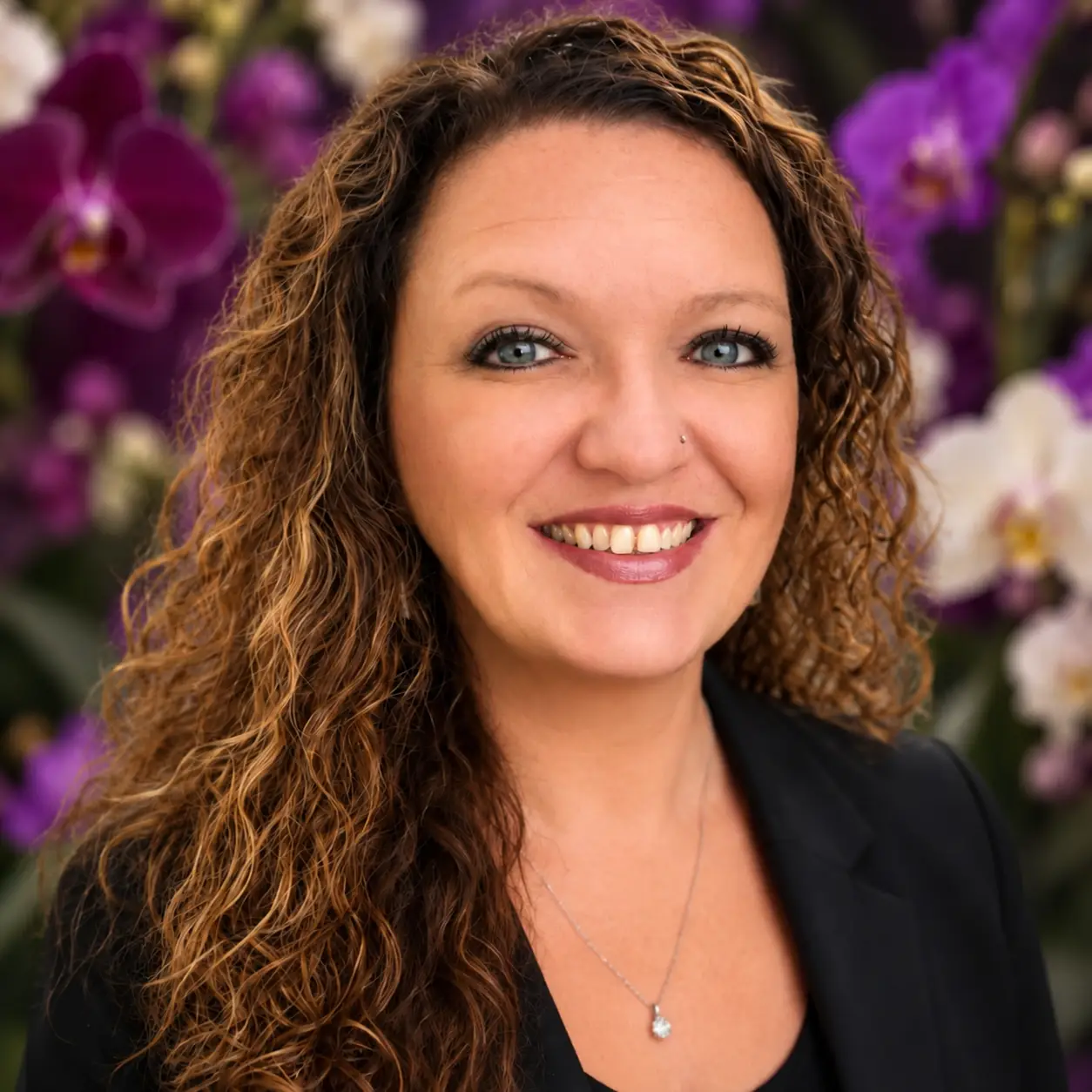
Nakea BakeR, President
MSN - Forensics, RN
Nakea has over 28 years of Heathcare experience. 13 years as a CNA and 15 years as an RN. She’s worked as an ER/Trauma nurse for over 10 years. She was the EMS captain on North Bend Volunteer Fire Department for over eight years. Last year she graduated with her MSN in Forensics. Leading her to help develop an EMS domestic violence screening tool that has been implemented into Nebraska State EMS protocols!
Outside of work you will find her at a concert or at a comedy show. She is married with 5 children, 5 grandchildren, 3 cats, and a dog.
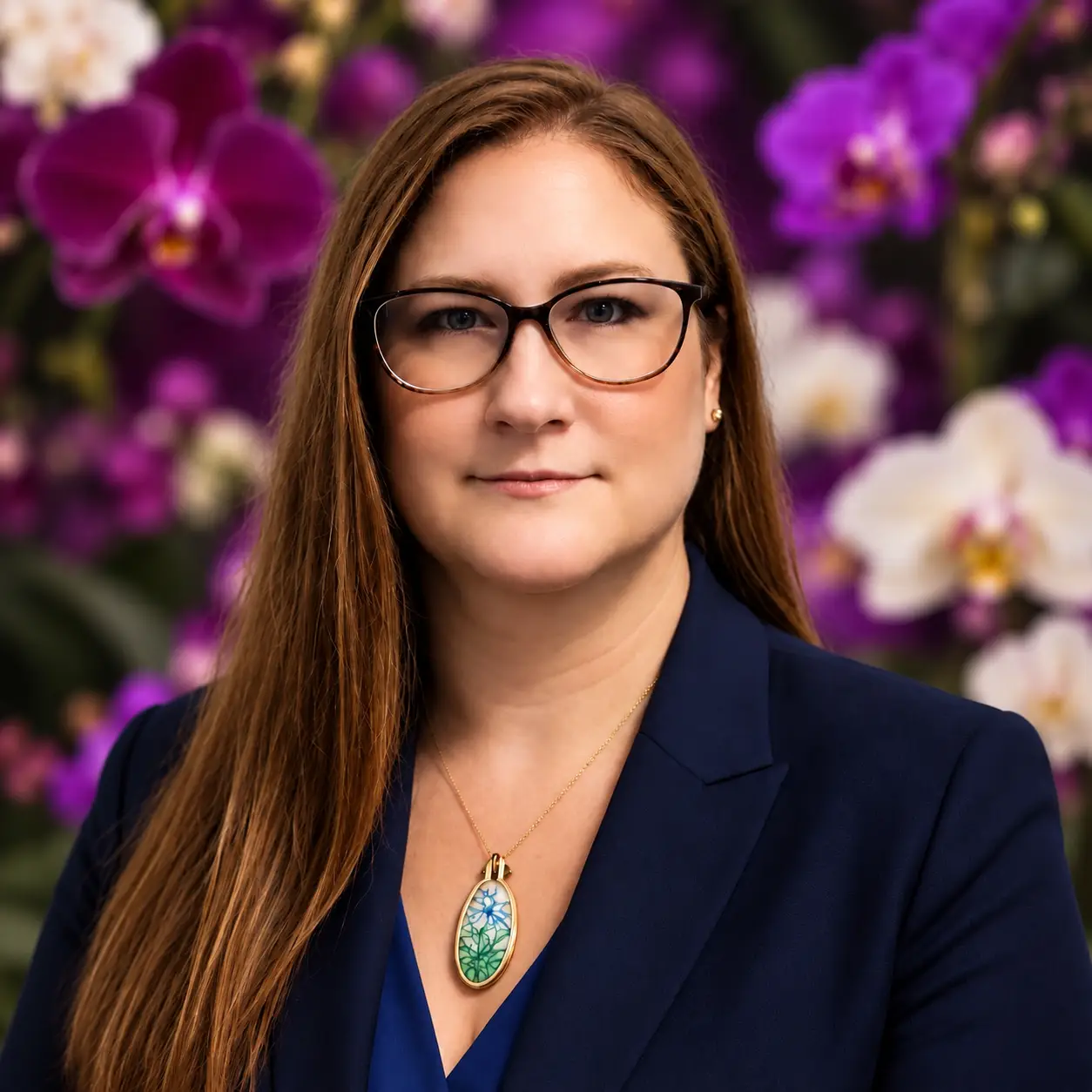
Marsha Pierce, Vice President
PhD -
Marsha Pierce earned her PhD from Creighton University and currently serves as an Associate Professor at Midwestern University, where she is passionate about teaching and mentoring future healthcare professionals.
In addition to her academic responsibilities, she teaches First Aid and Wilderness First Aid, helping individuals develop practical skills for emergency situations. Outside of work, she is married and the proud parent of three children. Her professional and personal experiences inspire her commitment to education, service, and lifelong learning.

Heather Victor
Treasurer
BSN, RN
Heather has over 25 years of diverse nursing experience- spanning home health care, the Pre-Hospital setting, managing a busy 100 bed ER, as well as working as an ER staff nurse at Nebraska Medicine (This is where she met Nakea in 2017).
Healthcare has been her lifelong passion since the age of eight. After taking some time to raise her 2 children, she has returned to the field in family practice. When she is not caring for patients you can find her playing withh her 2 dogs, traveling (37 countries and counting!), relaxing at home in Virginia and near by beaches, or planning her next family vacation to Tamil Nadu, India.
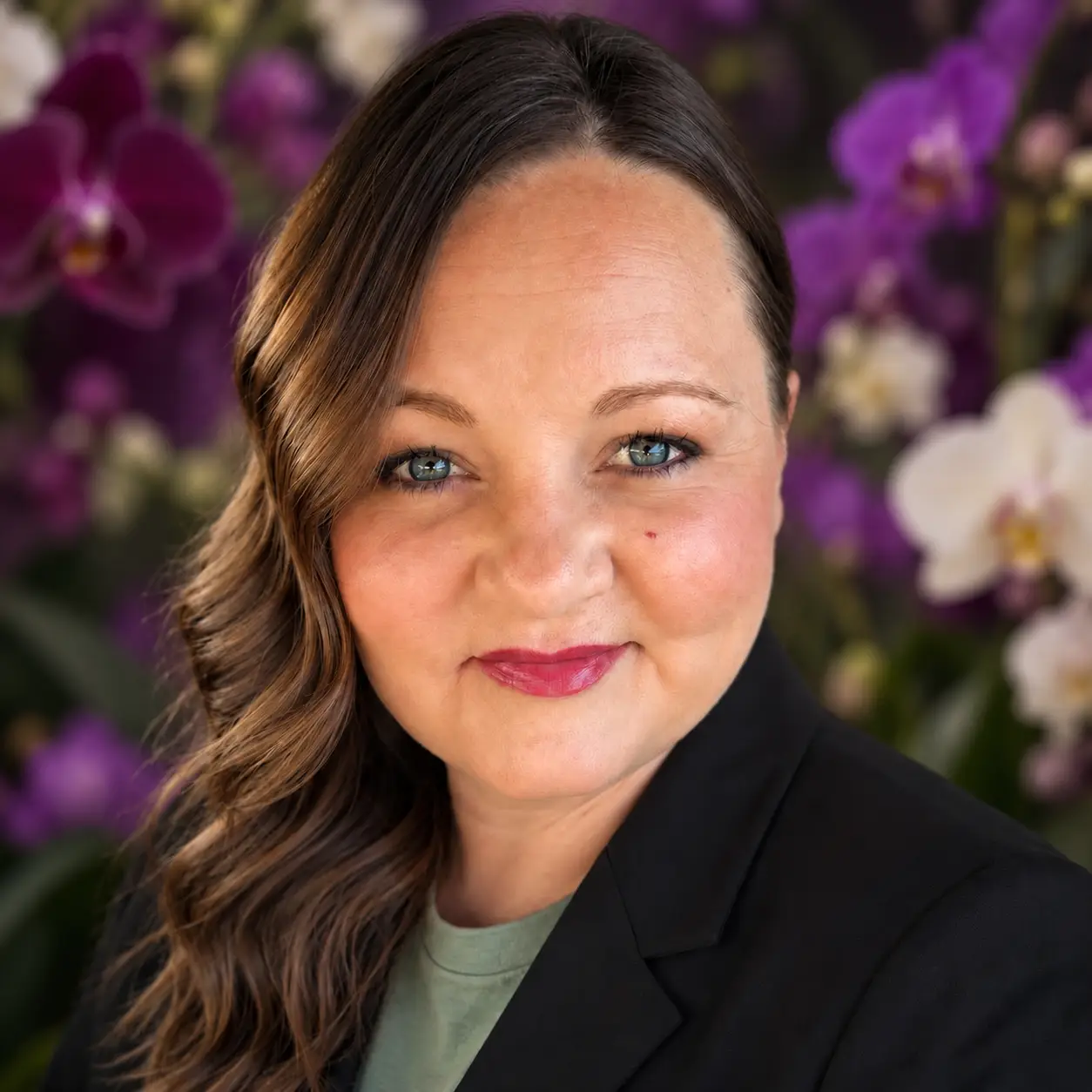
Kaila Grissom
Secretary
A.a.S. - Human Services
Kaila Grissom is a compassionate community advocate whose career in service was sparked at just eight years old, when they first learned the power of resource-sharing to help neighbors in need. This foundational experience sparked a lifetime of community service, from feeding the unhoused and supporting local clothing ministries.
Professionally, Kaila holds associate degrees in Human Services and Health Information Technology, bridging the gap between hands-on care and healthcare systems. Their background includes extensive CNA experience in long-term and home health care, as well as an internship at Job Corps working with economically disadvantaged youth.
Trained in case management, crisis intervention, professional interviewing, and core counseling theories and practices, Kaila is committed to empowering individuals and families to overcome systemic barriers.
“The best way to find yourself is to lose yourself in the service of others.”
—Mahatma Gandhi

Chad Baker
Business Coordinator
Chad has more than 15 years of experience in a skilled trade environment. Chad Brings a hands on, problem solving approach to the foundation. His work includes relationship development, program logistics, organizational planning, community outreach, and helping coordinate “Picking up the Pieces” GO! Bag initiative. Chad believes meaningful change in rural communities begins with relationships-bringing together organizations, business, donors and community partners around a common purpose. Outside of Hidden Orchids Outreach Foundation.
Chad enjoys spending time with his family and grandchildren, traveling with his wife Nakea to a concert or comedy show, and has a life long interest in cars-especially Lincolns.
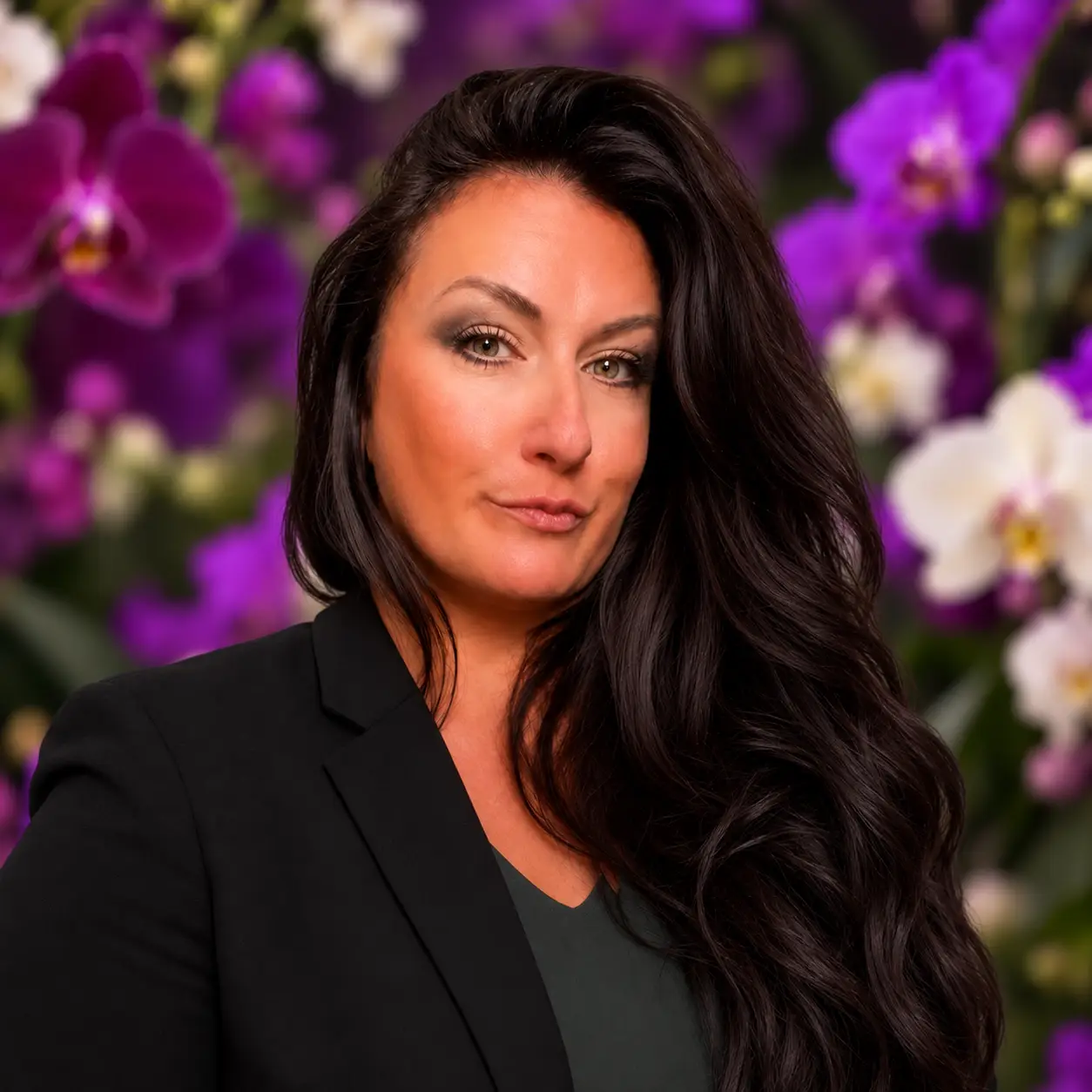
Stephanie Reid-Noe
Director of technology
MSDA - Decision Process Engineering
As Director of Technology, Stephanie draws on her experience in data analytics, business process improvement, website strategy, and digital communications to support the foundation’s outreach. Her approach is shaped by human relations outreach with the Hope Center, previous service on the SWAN (Stop Woman Abuse Now) board, foster care case management, and community outreach. She believes useful technology begins with listening to the people it serves.
Stephanie is also the Manager of Growth and Operations for Volleyball Tours, where she travels through Europe and Brazil coaching volleyball players of all ages.
Contact Us
- hiddenorchidsoutreachfound@gmail.com
- 402-317-4405
A Clarification About
Hidden Orchids Outreach Foundation
We want to take a moment to clarify our mission and the services we provide.
Hidden Orchids Outreach Foundation is not an emergency service or crisis response organization for domestic violence, sexual assault, or human trafficking. We do not provide emergency intervention, crisis shelter, or immediate victim response.
Our focus is education, awareness, and preparedness for those responding to abuse situations. We work to educate healthcare professionals, first responders, and community partners about recognizing signs of abuse, understanding trauma, responding appropriately, and strengthening the systems that support survivors.
Our goal is to help those on the front lines feel better informed, better prepared, and better equipped to recognize and respond to abuse with knowledge, compassion, and trauma-informed care.
If you or someone you know is experiencing an immediate emergency or is in danger, please contact 911 or an appropriate crisis/advocacy service in your area.
Education creates awareness. Awareness creates better responses. Better responses can change lives.
— Hidden Orchids Outreach Foundation